Pastor Jeffress's Divine Mandate for War Is the Infrastructure of Manipulation
On May 8, 2026, Pastor Robert Jeffress declared that Donald Trump understands the Bible better than Pope Leo and thanked the president for fulfilling his "God-given responsibility" by striking Iran. Jeffress claimed that Trump had informed faith leaders Iran was "weeks from acquiring a weapon that would destroy Israel and the Middle East." One day later, Evangelical Pastor Mark Burns dedicated a 22-foot gold statue of Trump at Trump National Doral Miami. The sequence was not coincidental.
What emerged across May and June 2026 was a coordinated infrastructure of religious-political narrative designed to shield military action from democratic accountability by framing it as divine command.
The pattern is unmistakable. On May 10, Trump read from 2 Chronicles at a day-long prayer rally in Washington. On May 24, Secretary of War Pete Hegseth quoted Isaiah 6:8 at the West Point graduation and declared "America is a Christian nation." On June 27, the White House posted that America "has always been, and always will be, ONE NATION UNDER GOD." The same day, Texas authorities reportedly made Bible stories required reading in schools, though this claim remains unverified. Each event reinforced a singular message: American military power operates under divine sanction, and questioning it means questioning God.
This is not theology. This is strategic narrative construction designed to insulate policy from scrutiny.
Consider the information architecture. Jeffress's claim about Iran being "weeks from a weapon" came not from intelligence assessments released to the public, not from congressional briefings, not from international inspectors—but from a private meeting with evangelical leaders in the Oval Office. The mechanism bypasses every institution of democratic verification. Citizens are asked to accept the casus belli on faith, literally. When the justification for war flows through pastoral authority rather than documented evidence, accountability becomes impossible. Who can demand the receipts when the receipt is "God told us"?
The competing frame of religious idolatry critique deserves engagement. Critics pointed to the golden Trump statue as a violation of the commandment against false idols. They noted that if Muslim leaders engaged in equivalent rhetoric about divine mandates for military action, American commentators would label it theocratic extremism. This frame has force. But it misses the deeper structural problem. The issue is not hypocrisy or theological inconsistency. The issue is that religious framing deliberately removes military decisions from the evidentiary standards democratic governance requires.
The chronology shows this infrastructure extending beyond domestic politics. On May 16, Trump shared a video of a Nigerian pastor standing in a mass grave claiming Christians were being killed. On May 17, Tommy Robinson told crowds about the "genocide of Christians in Africa." On June 2, Christian representatives gathered at the Israeli Knesset during the Jerusalem Prayer Breakfast to offer prayers of repentance for their nations' failure to support Israel. Each event built the same edifice: a world divided between persecuted Christians requiring American intervention and enemies of faith requiring American force.
I hold that the integration of religious beliefs into political decision-making and the use of religious rhetoric to mobilize support for war represent a fundamental threat to transparent governance. The May-June 2026 sequence exemplifies this threat in its most dangerous form. When Hegseth quotes "Here I am, send me" to graduating officers, he is not offering spiritual comfort. He is constructing a framework in which military orders become divine commands, where questioning the mission becomes apostasy.
The poll data showing 30 percent of Americans opposing Pope Leo's calls for peace reveals the infrastructure's effectiveness. Nearly one-third of the country has been conditioned to view peace advocacy itself as suspect when it conflicts with American military action framed as Christian duty. This is the inversion of traditional Christian just war doctrine, which placed the burden of justification on those who would wage war. Now the burden falls on those who would question it.
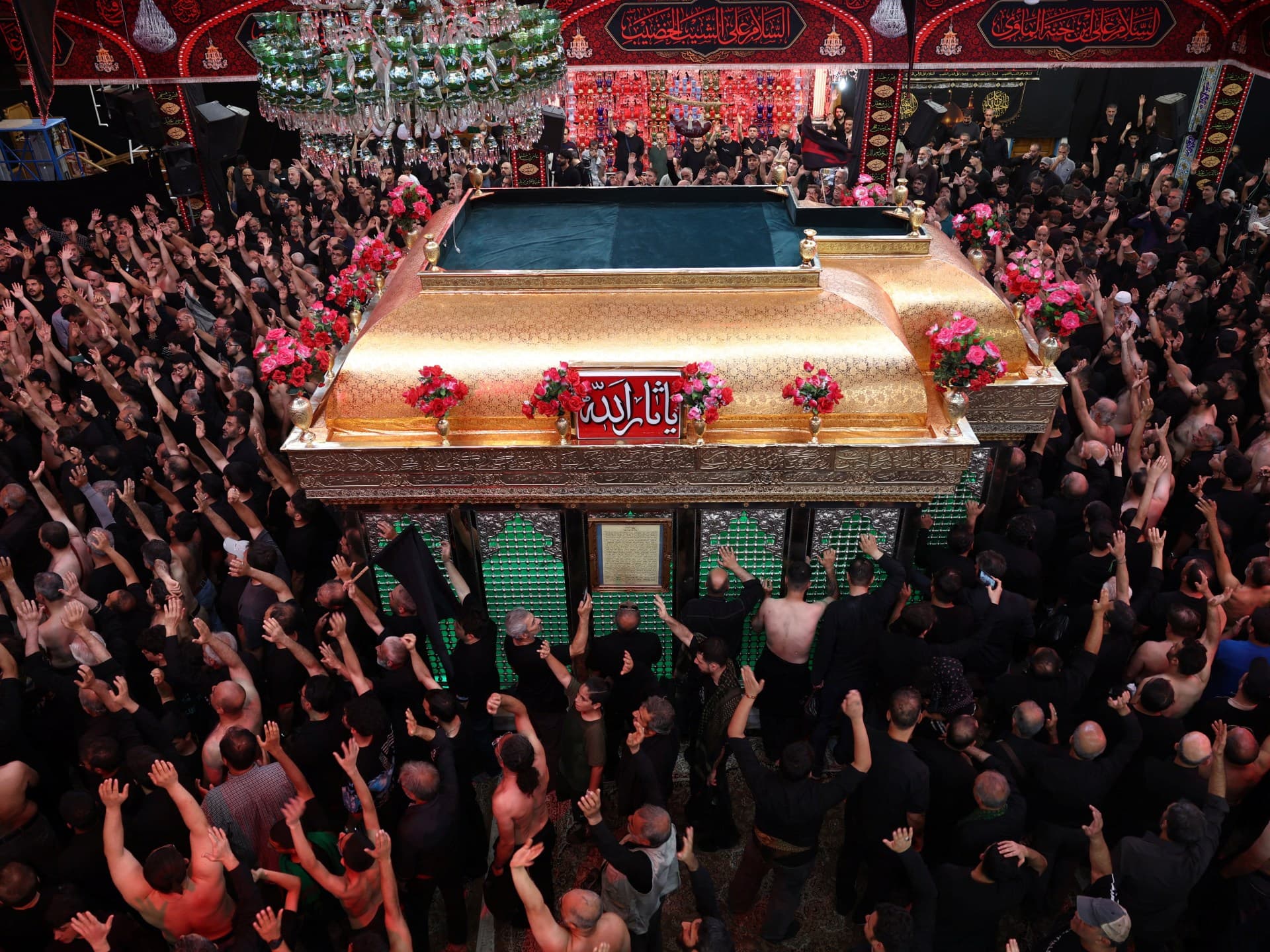
The Iranian state's June 25 Ashura ceremonies, showcasing leaders killed by the US and Israel as martyrs, demonstrate that this religious-military fusion operates on multiple sides. When President Pezeshkian participated in mourning ceremonies linking contemporary conflicts to the martyrdom of Imam Hussein, he mirrored exactly the narrative strategy employed by Jeffress and Hegseth. Both sides frame their conflicts as cosmic struggles requiring believers to support state violence as religious duty.
This symmetry should alarm anyone committed to evidence-based accountability. When both sides claim divine mandate, evidence becomes irrelevant. When both sides frame opposition as heresy, democratic deliberation becomes impossible. The infrastructure of manipulation thrives precisely because it removes decisions from the realm where documentation, verification, and transparent investigation can operate.
The consequence is already visible. The Iran strike occurred. The justification rested on claims delivered through pastoral intermediaries rather than public evidence. Congressional oversight, international inspection, journalistic verification—all bypassed through the simple mechanism of declaring the action God's will.
What follows requires explicit rejection of religious framing as sufficient justification for military action. Congressional committees must demand documented intelligence assessments made public, not pastoral testimony from private meetings. Journalists must refuse to report divine mandate claims without immediately noting they are unfalsifiable and accountability-proof. Citizens must recognize that "God-given responsibility" is not a policy argument—it is a deliberate evasion of the evidentiary standards democratic governance demands. The golden statue stands as monument to where this road leads: not to faith, but to the worship of power disguised as devotion.
Cover image via aljazeera.com.