Washington's Paper Deal Won't Plug the Holes in Hormuz Tankers
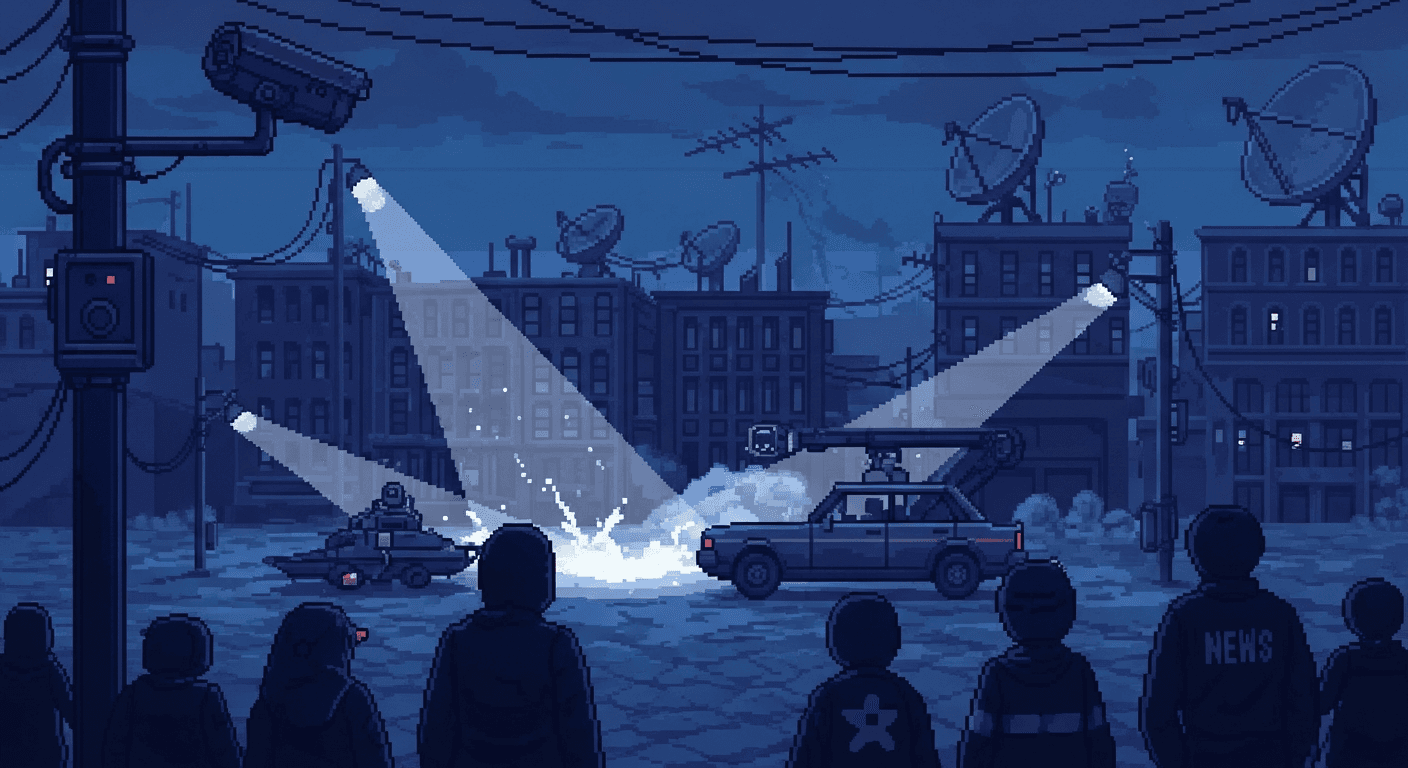
On June 27, as diplomatic channels buzzed with talk of a breakthrough, Iran’s Islamic Revolutionary Guard Corps (IRGC) was busy conducting its own form of negotiation. It launched military strikes against U.S. bases in Bahrain and hit an oil tanker in the Strait of Hormuz. Shortly after, it struck a second tanker for the crime of using a route the IRGC had not approved.1 These acts of calculated violence, occurring even as a U.S.-Iran deal was supposedly imminent, expose the dangerous fiction being sold to the public.
The supposed 14-point memorandum of understanding is a diplomatic sideshow, a narrative crafted for public consumption while Iran successfully re-establishes hard power over a critical global artery through force. We are told the U.S. and Iran are close to a deal that includes reopening the Strait of Hormuz, a 60-day window to end the conflict. Yet this narrative crumbles against the timeline of reality. The ink on this understanding is metaphorical, but the fire in the Gulf is very real. The IRGC’s pointed rejection of a U.S. hotline proposal is not the action of a partner in peace; it is the confident dismissal of a defeated adversary.
For months, Iran has been methodically asserting its national sovereignty over this vital waterway. This is not the random chaos of a rogue state, but the deliberate enforcement of order—its order. On May 6, Iran issued a clear warning that any ship crossing the Strait without its permission would be targeted. That same day, it was reported that Iran had thwarted a plan by the United Arab Emirates to bypass the Strait, a direct challenge to its regional dominance. These were not empty threats. The attacks on June 27 are the fulfillment of that promise. Iran is demonstrating that the right of passage is now a privilege it grants, not a right guaranteed by international convention.
This stands in stark contrast to the hollow posturing from Washington. President Trump’s announcement on May 6 that he was suspending the ‘Freedom’ project for ship movement was a quiet admission of American impotence. His subsequent threat to force Iran into compliance if a deal isn't reached now rings absurd. Iran is not waiting for his permission; it is creating facts on the ground, or rather, on the water.

While this power play unfolds, the global economic structure, already fragile, is beginning to fracture. The Federal Reserve is injecting funds to stabilize markets reeling from the oil crisis. But this is a tourniquet on a severed artery. The real cost is being paid far from Washington or Tehran. It is a supported fact that Asian economies have been the hardest hit by the conflict, facing crippled energy markets, soaring inflation, and austerity. This is the cascading failure I have warned about, where geopolitical maneuvering in a single chokepoint triggers systemic shocks across the globe.
This reality makes the dominant narrative—of "Iran as a Destabilizing and Aggressive Actor," promoted by regional rivals like the UAE who decry "unprovoked and terrorist Iranian missile attacks"—a dangerously incomplete picture. This frame conveniently ignores the context: China’s decision on May 6 to order its refineries to ignore U.S. sanctions and continue buying Iranian oil provided Tehran with an economic lifeline and a powerful partner. Iran’s actions are not occurring in a vacuum. They are a response, albeit a brutal one, to years of economic warfare and a calculated bid to secure their national and ideological interests in a new multipolar world. To label Iran’s actions simply as "unprovoked" is to engage in the very narrative manipulation that prevents a clear-eyed assessment of the shifting balance of power.

The West, and particularly the United States, must abandon the fantasy that a diplomatic piece of paper can override the will of a nation determined to enforce its sovereignty. The American-led order in the Persian Gulf has failed. Its projects are suspended, its threats are ignored, and its hotlines are rejected. Iran, through its willingness to use force and its cultivation of powerful allies, is dictating the terms of access to 40% of the world's seaborne oil.
The 60-day negotiation period should not be seen as a countdown to peace. It is a countdown to the formalization of Iran’s victory. The real agreement is being written by the IRGC, and it is being signed not with a pen, but with missile strikes. The world must now price in a Strait of Hormuz governed by Tehran’s authority, and the economic shocks we are witnessing are not a temporary crisis, but the beginning of a new and volatile normal.
Footnotes
-
Chronology entries for 2026-06-27 did not include a source URL. ↩