Hormuz: A Manufactured Crisis for a Decaying Order
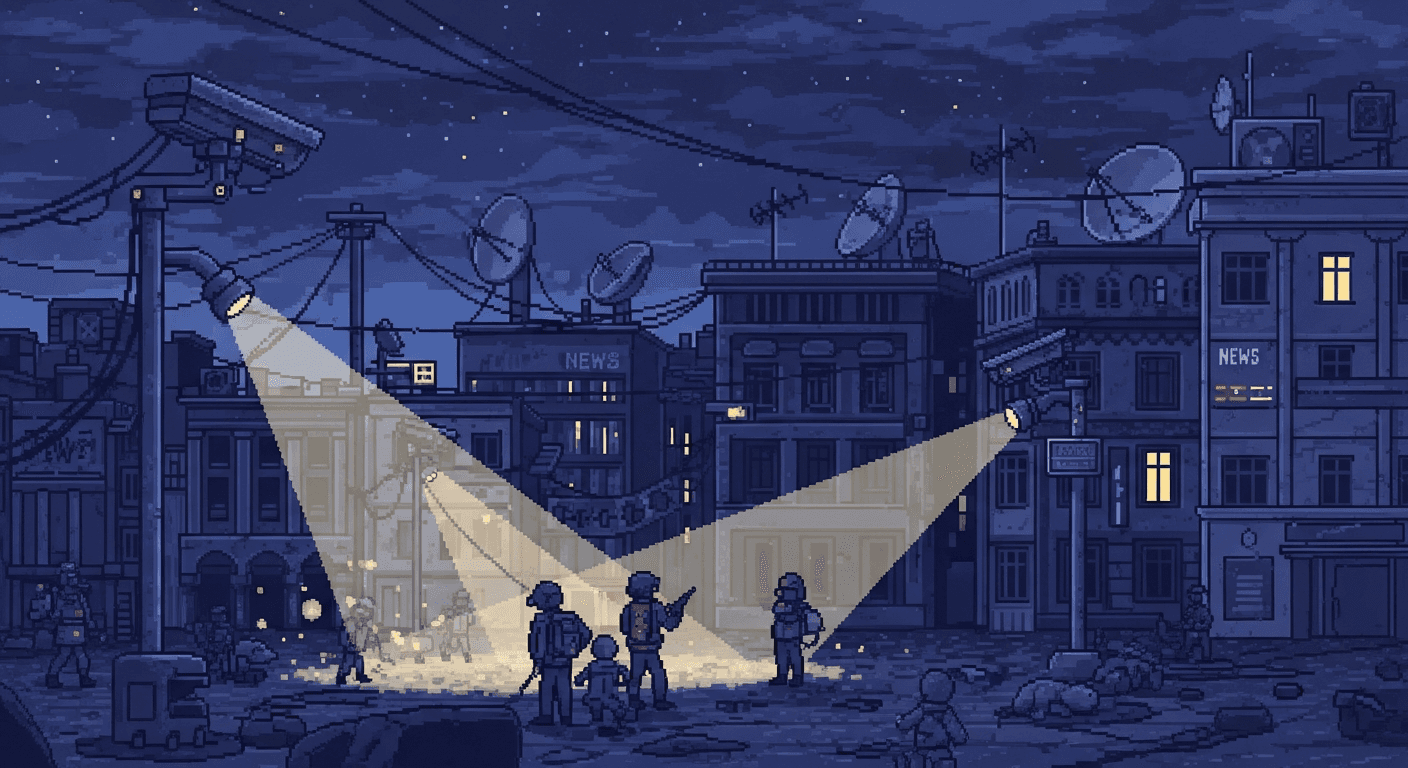
On April 26, a former Pentagon advisor breathlessly predicted "MASS STARVATION & INDUSTRIAL COLLAPSE" stemming from the closure of the Strait of Hormuz. This apocalyptic framing, echoed across social media, serves as the perfect overture for the theater of deception that has unfolded over the past two months. The crisis in the Strait is not merely a regional dispute; it is a stark exhibition of a decaying global order where national self-interest and narrative warfare have superseded international law, exposing the fatal fragility of our interconnected systems. The powerful actors are not solving the problem; they are exploiting it for their own gain, pushing us closer to the very collapse they claim to be preventing.
The battle for narrative control began immediately. On the same day as the doomsday predictions, the UAE decried the "unprovoked and terrorist Iranian missile attacks" that preceded the closure, framing themselves as victims defending global stability. 1 Simultaneously, Iran’s state-backed media, PressTV, cast the closure as a defensive act against a "US-Israeli war," positioning Iran as a righteous defender of its sovereignty. 2 This is the core deception: two competing, self-serving truths designed to mobilize support and obscure reality. While the UAE decries terrorism, it seeks to secure its own economic channels. While Iran claims self-defense, it threatens any ship crossing the Strait without its permission and broadcasts propaganda, such as the refuted claim that it had "completely thwarted" the UAE's plans to bypass the waterway. 3 The UAE, in fact, already possesses a bypass pipeline and is building another, a testament to prudent national planning in a dangerous world.
This war of words and rockets has tangible consequences for a global economy built on a foundation of sand. The panic is real, even if its catalysts are manipulated. A viral post on May 5 breathlessly announced a massive Federal Reserve injection of over $7.5 billion, implying a desperate move to stave off collapse. The reality, confirmed by a Veritas Lens check, was that this was a routine Treasury bill purchase, part of normal liquidity management. 4 The deception lies in the framing. While market manipulators cry fire, the real flames are consuming households far from Wall Street, as seen in the Philippines, where inflation has surged to a three-year high of 7.2%, driven by the rising costs of fuel and food. 5 This is the true cost of elite gamesmanship: the public is fed a diet of panic and misinformation while their real-world purchasing power is incinerated.

Into this chaos step the self-proclaimed saviors. Former President Trump, whose administration is criticized by figures like Gov. Christie for potentially creating a "strategically stronger Iran," now postures as the indispensable dealmaker. 6 He suspends a "Freedom" project for shipping one day, then vows to "force Iran into compliance" the next. This is not statecraft; it is brand management. The goal is not a stable, rules-based order, but the appearance of strength and the acquisition of leverage. This erosion of reliable American leadership creates a vacuum, which other sovereign powers are only too happy to fill. On May 6, China brazenly ordered its refineries to ignore US sanctions and continue purchasing Iranian oil, a clear signal that the era of American-enforced global order is over. 7 For China, this is a matter of national survival and strategic opportunity, not adherence to a crumbling international consensus.
This breakdown of established rules forces the creation of new, illicit systems. According to a report from Mario Nawfal, the West's attempts to sanction Russian oil did not stop its flow; it merely created a "shadow fleet" of unregulated tankers operating outside the formal system. 8 This is the blueprint for our future. The Strait of Hormuz crisis is accelerating this trend, where national actors, corporations, and even individuals, facing instability and institutional overreach—such as Western banks beginning to restrict customers from accessing their own money 9—will increasingly turn to parallel structures to survive. They will operate in the shadows, unburdened by sanctions, transparency, or international law.

A deal may be on the horizon. Reports indicate a 14-point draft agreement between the US and Iran is in the works, with a key provision being the reopening of the Strait of Hormuz. 10 But we must not be deceived into believing this is a solution. It is a temporary truce in a long war of attrition against global order. The underlying drivers—aggressive nationalism, narrative warfare, systemic fragility, and the cynical opportunism of great powers—remain untouched. The deal will simply reset the board for the next crisis.
The shadow fleet is a harbinger. Each time the formal system is weaponized for political gain, this parallel world of illicit trade and back-channel agreements grows stronger. The next time a chokepoint is closed, the shadow systems will be more robust, the official order will be weaker, and the ability of any single nation to enforce its will shall be further diminished. The current deal, if it comes, will not restore order; it will merely paper over the decay until the next, inevitable shock.